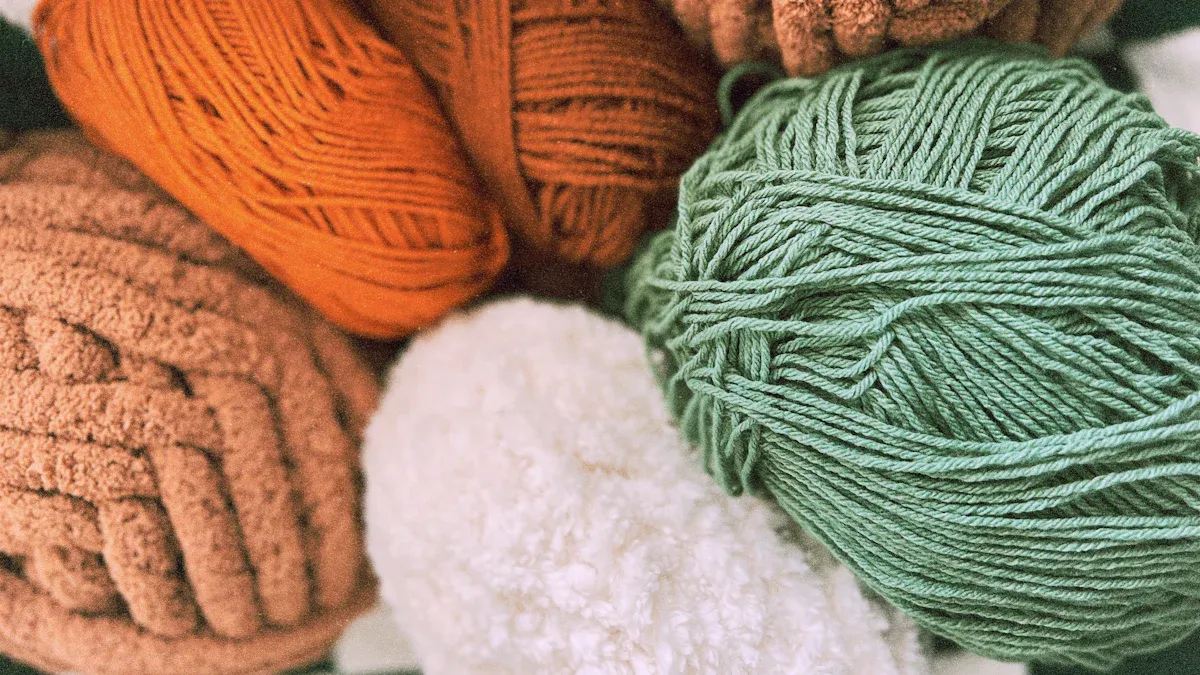
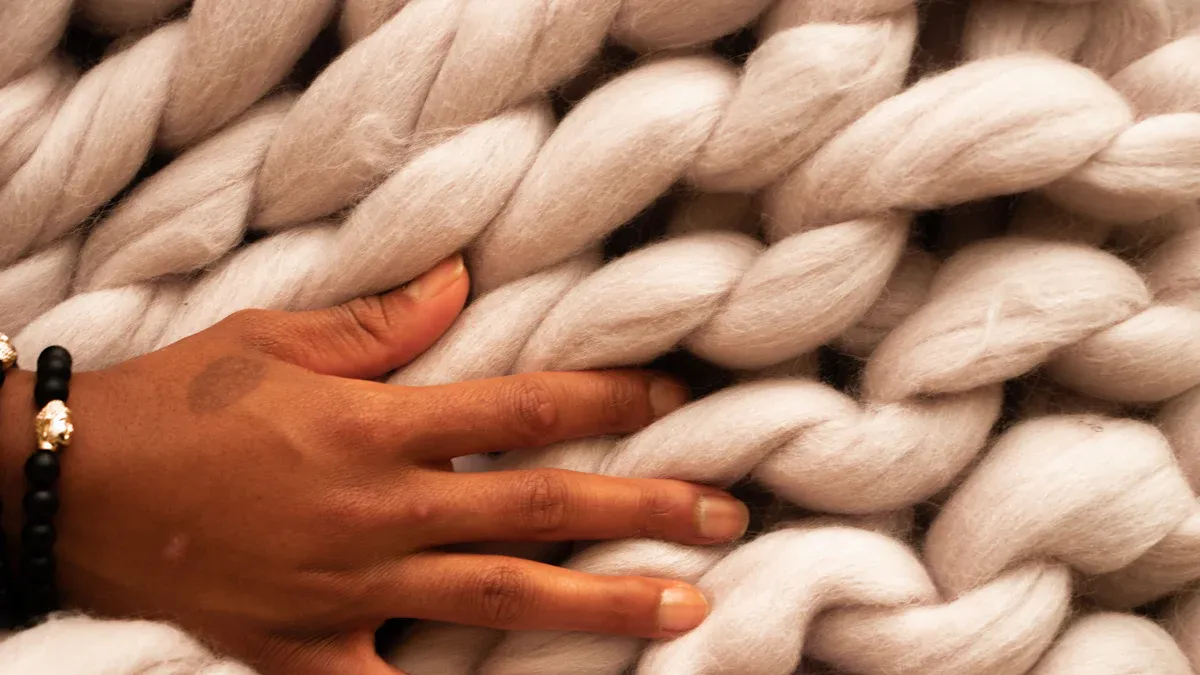
When you compare Cashmere vs. Merino Wool, you can see that both have their advantages. Cashmere feels incredibly soft and keeps you warmer due to its thin fibers. On the other hand, Merino wool is known for its toughness and ability to maintain its shape well. Additionally, Merino wool is easier to wash and care for. While cashmere prices can fluctuate significantly, Merino wool prices tend to remain more stable. If you're looking for high-quality cashmere, WFS Cashmere offers trusted sweaters crafted with care.
Attribute | Cashmere | Merino Wool |
Warmth | Warmer | Warm |
Softness | Softer | Soft |
Durability | Delicate | More durable |
Price | Changes a lot | More steady |
Care | Needs gentleness | Easier to wash |
Key Takeaways
Cashmere is very soft and warm. It is great for special events and people with sensitive skin. Merino wool is strong and simple to take care of. It is good for daily use and outdoor fun. Think about your daily life when picking cashmere or merino wool. Cashmere feels fancy, but merino wool is useful. Both fibers let air through, so you stay comfy in many climates. Cashmere works best when it is cold. WFS Cashmere gives you top products and uses fair methods. You can trust what you buy from them.
Cashmere vs. Merino Wool Overview

Image Source: unsplash
What is Cashmere?
When you learn about cashmere and merino wool, you find cashmere is one of the nicest fibers in the world. Cashmere comes from goats that live in cold places like Mongolia, China, and Iran. These goats grow a soft undercoat to stay warm in winter. In spring, people gently comb the goats to get the soft hair. This way, they collect less fiber than from sheep, so cashmere is rare and worth more.
Cashmere fibers are thin, long, and very soft.
Mongolian cashmere is well-known for being warm and gentle.
Each goat gives only a little cashmere every year.
WFS Cashmere is a top company for making cashmere. They use new machines and check quality to make great cashmere sweaters. You can count on their products to be soft, warm, and made the right way.
Cashmere is taken by combing the goats’ undercoat, not by shaving. This careful way means only the best fibers are used, so cashmere costs more and is special when compared to merino wool.
What is Merino Wool?
When you compare cashmere and merino wool, you see merino wool comes from Merino sheep. Most of these sheep live in Australia and New Zealand. The sheep are shaved once a year to keep them cool and healthy. Merino wool is famous for being soft and smooth, and many people like it.
Merino wool is not bulky or itchy, so it feels nice on your skin.
It lets air through and lasts longer than regular wool.
Merino wool fibers are strong, stretchy, and help keep you at a good temperature.
In the cashmere and merino wool comparison, merino wool is easier to buy and take care of. It also costs less than cashmere, so many people wear it every day. When you look at both, you see each fiber is good for different things.
Softness & Comfort Pros and Cons
Image Source: unsplash
Cashmere vs Merino: Feel and Touch
When you touch cashmere, you notice how soft and light it feels. This fiber comes from the fine undercoat of special goats. The softness of cashmere comes from its very thin fibers. Most cashmere fibers measure between 14 and 19 microns in diameter. Merino wool fibers are a bit thicker, usually between 17.5 and 24 microns. The smaller the fiber, the softer it feels on your skin. This is why many people say cashmere makes the softest sweaters.
Fiber Type | Average Diameter (microns) |
Cashmere | 14 - 19 |
Merino Wool | 17.5 - 24 |
You will find that merino wool also feels soft and smooth. It does not itch like regular wool. Merino wool sweaters give you comfort and last a long time. They keep their shape even after many wears. If you want a sweater that feels gentle and cozy, both cashmere and merino wool are good choices. However, cashmere stands out for its higher loft and extra softness.
WFS Cashmere makes soft sweaters using only premium cashmere. The company checks every step to make sure you get the best comfort.
Advantages and Disadvantages for Sensitive Skin
If you have sensitive skin, you may wonder which fiber is better. Cashmere feels very gentle because of its fine fibers. It rarely causes itching or irritation. This is a big advantage for people who want soft sweaters that do not bother their skin.
Merino wool also has advantages. It is soft and smooth, and many people with sensitive skin can wear it without problems. However, some people may still feel a little itch if the wool is not the finest grade.
Tip: If you want the softest touch and the least chance of irritation, choose cashmere. For more durability and easy care, merino wool is a strong option.
When you look at the pros and cons, cashmere gives you unmatched softness, while merino wool offers comfort and strength. Think about your needs and skin type to decide which fiber suits you best.
Warmth & Breathability Comparison
Cashmere vs Merino Wool: Warmth
Cashmere is one of the warmest fibers you can wear. When you put on a cashmere sweater, you feel cozy right away. The fibers are very fine and soft. This helps keep your body heat close to you.
Cashmere has a special structure that makes it very warm. Each cashmere fiber is about 14 to 19 microns wide. This is much thinner than Merino wool, which is usually 20-24 microns. Because the fibers are so thin, more of them fit into the yarn. This makes the fabric dense but still light. Cashmere fibers are also crimped, which means they bend and twist. This creates tiny air pockets in the yarn. These pockets trap air and help keep heat in.
Cashmere is much warmer than merino wool. It can be 7-8 times warmer than regular wool. The small air pockets in cashmere trap heat and block cold air. Merino wool is warm too, but not as warm as cashmere in very cold weather. If you live where winters are harsh, you will notice cashmere keeps you warmer. WFS Cashmere uses top fibers to make sweaters that keep you warm even on freezing days.
Pros and Cons for Different Climates
You may wonder how these fibers work in different weather. Both cashmere and merino wool let air flow well, so you do not get sweaty.
Both fibers let air move through them.
Good cashmere or merino wool does not feel heavy or sticky.
Both are light and let your skin breathe.
They keep you warm but still feel airy and comfy.
Wool, like merino, lets your skin breathe and keeps you cool when it is hot. It also pulls sweat away from your skin and helps stop body odor. Cashmere is also very breathable, so you can wear it inside or outside and not feel too hot. This makes both fibers good for daily wear and comfort.
If you need a sweater for very cold days, cashmere is the warmest choice. If you want something for many types of weather, merino wool is a good pick. WFS Cashmere makes sweaters that keep you warm but also let your skin breathe, so you feel good in many climates.
Durability & Longevity Advantages and Disadvantages
Merino Wool: Durability Pros and Cons
Merino wool is good for daily wear. It is tough and does not pill easily. You can wear merino wool sweaters many times. They keep their shape well. Many people pick merino wool because it is simple to care for. It lasts a long time.
Merino wool pills less than regular wool.
You can wash merino wool more easily than other fibers.
Thin merino wool shirts may get holes if you use them a lot, especially for sports or outside.
Thick merino wool fabrics last longer. They are good for sweaters and coats.
Merino wool is not always stronger than cotton or polyester. But it gives you comfort and strength. When you look at the pros and cons, merino wool is a good choice for daily use. Thin items may wear out faster.
Cashmere: Longevity Pros and Cons
Cashmere has different pros and cons. It is very soft and warm. You must take care of cashmere to keep it nice. Good cashmere can last for years if you follow care steps.
WFS Cashmere checks quality at every step. The company uses strict rules and important certificates. These certificates show WFS Cashmere cares about safe, ethical, and lasting products.
Certification | What It Covers | Why It Matters |
BSCI | Social compliance, worker welfare | Ethical sourcing for global brands |
OEKO-TEX Standard 100 | Harmful substance testing | Consumer safety, chemical compliance |
GOTS | Organic fiber processing | Needed for organic cashmere claims |
RWS | Responsible Wool Standard | Animal welfare, land management |
ISO 9001 | Quality management systems | Process consistency |
If you pick cashmere from WFS Cashmere, you get a product made with care. The company’s focus on quality helps your sweater last and stay beautiful year after year.
Tip: Think about what you need. If you want easy care and toughness, merino wool is smart. If you want luxury and beauty that lasts, cashmere from WFS Cashmere is a great choice.
Price & Value Pros and Cons
Cashmere vs Merino: Cost Comparison
When you compare the price of cashmere and merino wool, you notice cashmere is much more expensive. Cashmere costs more because it is rare and hard to get. To make one sweater, you need fleece from many goats. People only comb cashmere goats once each year. This means there is not much cashmere, so it is special and costs more.
Here is a simple table that shows how much both fibers cost:
Product Type | Price Range |
Cashmere | $50 to $200+ per yard |
Merino Wool | $25 to $80 per yard |
Merino wool is easier to find and does not cost as much. You can buy merino wool sweaters for less money and wear them every day. Cashmere is more expensive, but it feels softer and warmer.
Value for Money: Advantages and Disadvantages
You might wonder if cashmere is worth the higher price. Cashmere is very soft and keeps you warm. Many people think cashmere is a fancy fiber. Merino wool is good for daily use because it is strong and easy to wash. But merino wool is not as soft or warm as cashmere.
When you buy cashmere from WFS Cashmere, you get more than just a sweater. WFS Cashmere uses safe and earth-friendly ways to make their products. The company follows rules to protect nature and make sure the sweaters are high quality. Wool, like merino, breaks down in nature and is good for the planet. Both fibers can affect the environment, but careful making helps stop harm.
Tip: If you want a sweater that feels special and lasts a long time, cashmere is a smart choice. If you need a sweater for every day, merino wool is a good deal.
Think about what you want before you choose. Cashmere costs more, but it is fancy and comfy. Merino wool is cheaper and useful.
Care & Maintenance Comparison
Cashmere vs Merino Wool: Care Requirements
You need to know how to care for your sweaters to keep them looking good. Cashmere and merino wool both need gentle handling, but there are some differences. Cashmere asks for more attention because it is delicate. You should wash cashmere by hand in cool water, around 30°C (86°F). Use a mild or pH-neutral detergent, like one made for wool or even baby shampoo. Move the sweater gently in the water. Do not twist or wring it. Rinse with water at the same temperature. Lay the sweater flat on a towel, roll it up to remove extra water, then lay it flat to dry. Never hang it, or the shape will change.
Merino wool is easier to care for. You can wash it more often, and it handles gentle machine cycles if the label says so. Still, hand washing in cool water with a mild detergent is best. Both fibers last longer if you avoid hot water and strong detergents.
Here are common mistakes to avoid:
Washing in hot water can shrink and felt the fibers.
Twisting or wringing can damage the shape.
Using regular detergent can make the fibers brittle.
Hanging to dry can stretch the sweater.
Storing without cleaning can attract moths.
Pros and Cons for Everyday Use
You may find merino wool better for everyday wear because it is easier to care for and more durable. You can wash merino wool every 3–5 wears. Cashmere needs less frequent washing, about every 5–7 wears, but it stays fresh longer. Both fibers do best with gentle hand washing. If you want your sweaters to last, follow these care steps.
WFS Cashmere gives you guidance and support for proper care. You can trust their advice to help your cashmere sweaters stay soft and beautiful for years.
Choosing Between Cashmere and Merino Wool
Best for Everyday Wear
You want a sweater that fits your daily routine. Merino wool stands out for everyday wear. It is tough and handles frequent use. You can wear merino wool for school, work, or travel. The fiber resists wrinkles and stays fresh. You pack it in your bag, and it comes out ready to wear. Merino wool keeps you comfortable because it breathes well and wicks away sweat. You do not feel sticky or hot. You wash merino wool easily, and it dries quickly.
Merino wool is durable and does not pill much.
It is lightweight and easy to carry.
You can wear it for sports or active days.
Cashmere feels soft and warm, but it needs gentle care. You save cashmere for days when you want extra comfort. If you want a sweater for daily use, merino wool is a smart choice.
Best for Special Occasions
You want to look your best at special events. Cashmere gives you a touch of luxury. The fiber feels soft and smooth. You wear cashmere to a dinner, a party, or a family gathering. Cashmere sweaters add elegance to your outfit. You can style cashmere for both casual and formal looks. The fiber lifts your appearance and makes you feel confident.
Cashmere adds a rich feel to your clothes.
You can wear it for important meetings or celebrations.
The fiber fits many styles, from simple to fancy.
WFS Cashmere offers premium cashmere knitwear. You choose their sweaters for special moments. The company uses high-quality fibers and careful production. You get a sweater that feels special and lasts.
Best for Outdoor Activities
You need a sweater for hiking, biking, or playing outside. Merino wool works well for outdoor activities. The fiber keeps you warm but does not trap sweat. You move freely because merino wool is light and stretchy. The fiber dries fast and stays fresh. You wear merino wool for sports, camping, or travel.
Merino wool wicks moisture and breathes well.
It is strong and handles movement.
You can wear it for hiking, running, or active days.
Cashmere is warmer and softer, but it is not as tough. You wear cashmere for relaxing or indoor comfort. For outdoor adventures, merino wool is the best pick.
Tip: Choose merino wool for active days and outdoor fun. Pick cashmere for cozy evenings and indoor relaxation.
Best for Sensitive Skin
You want a sweater that feels gentle on your skin. Both cashmere and merino wool offer comfort. Cashmere feels soft and rarely causes irritation. You wear cashmere if you want a smooth touch. Merino wool is also gentle. The fiber is pH-neutral and hypoallergenic. You wear merino wool if you have eczema or sensitive skin. The fiber does not itch and lets your skin breathe.
Merino wool is smooth and reduces itchiness.
It is safe for people with skin conditions.
Cashmere is soft and rarely irritates.
You choose cashmere or merino wool based on your skin needs. WFS Cashmere provides premium cashmere sweaters that suit sensitive skin. You trust their quality and care.
Note: If you have skin concerns, try merino wool or cashmere. Both fibers offer comfort and safety.
Material | Insulation | Ideal for |
Merino wool | ⭐⭐ | Sports, movement |
Cashmere | ⭐⭐⭐⭐⭐ | Indoor, cocooning |
You match your sweater to your lifestyle. Merino wool fits active days and outdoor use. Cashmere fits indoor comfort and special occasions. WFS Cashmere gives you premium options for every need.
Cashmere feels very soft and keeps you warm. It is great for special days. But you must be careful when you wash it. Cashmere also costs more money. Merino wool is strong and easy to clean. It is comfy for daily use or playing outside.
Choose Merino Wool | Choose Cashmere |
Outdoor adventures | Luxury and softness |
Everyday sweaters | Sensitive skin |
Easy maintenance | Lightweight warmth |
WFS Cashmere has the OEKO-TEX certification. This means they care about making products the right way. You can trust their cashmere sweaters to be safe and made with care.
FAQ
What makes cashmere more expensive than merino wool?
Cashmere comes from rare goats. Each goat gives only a small amount of fiber each year. You need many goats for one sweater. This makes cashmere special and costly.
Can you wear cashmere or merino wool in warm weather?
Yes, you can. Both fibers breathe well. They keep you cool and dry. Choose lightweight sweaters for summer or spring.
How do you store cashmere sweaters?
Fold your cashmere sweater. Place it in a drawer or on a shelf. Use a cotton bag to protect it from moths. Do not hang it, or it may lose shape.
Is merino wool itchy like regular wool?
No, merino wool feels soft and smooth. The fibers are fine and gentle on your skin. Most people with sensitive skin can wear merino wool without itching.

 日本語
日本語 Français
 Русский
 Deutsch
 italiano
 English
 العربية
 Español
 Português
 한국어
한국어 Nederlands
 Tiếng Việt
 ไทย
ไทย Polski
 Türkçe
 አማርኛ
አማርኛ ພາສາລາວ
 ភាសាខ្មែរ
 Bahasa Melayu
 ဗမာစာ
ဗမာစာ தமிழ்
தமிழ் Filipino
 Bahasa Indonesia
 magyar
 Română
 Čeština
 Монгол
 қазақ
қазақ Српски
 हिन्दी
 فارسی
فارسی Kiswahili
 Slovenčina
 Slovenščina
 Norsk
Norsk Svenska
 українська
 Ελληνικά
 Suomi
Suomi Հայերեն
 עברית
עברית Latine
 Dansk
Dansk اردو
اردو Shqip
Shqip বাংলা
বাংলা Hrvatski
 Afrikaans
 Gaeilge
 Eesti keel
 Māori
Māori