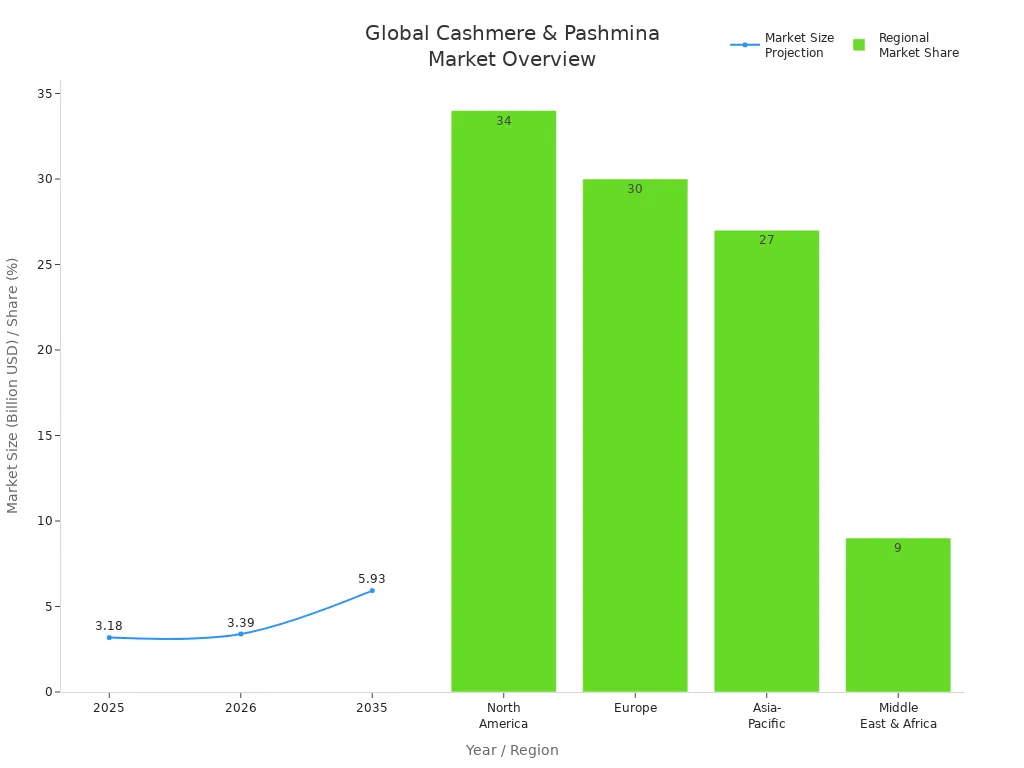
You should know the real differences between cashmere and pashmina before you choose. Cashmere is very soft and warm. Pashmina feels special and has a long history. Each fiber is different in how strong it is, how much it costs, and how you need to take care of it. Many people want the real thing, especially as more people around the world buy cashmere and pashmina. Look at the newest market numbers:
Metric | Value |
Market Size in 2025 | $3.18 billion |
Projected Market Size in 2026 | $3.39 billion |
Projected Market Size in 2035 | $5.93 billion |
CAGR | 6.42% |
Luxury Apparel Demand | 54% |
Natural Fiber Preference | 44% |
Premium Winter Clothing Growth | 36% |
Luxury Brand Expansion | 31% |
North America Market Share | 34% |
Europe Market Share | 30% |
Asia-Pacific Market Share | 27% |
Middle East & Africa Share | 9% |

WFS Cashmere sells top-quality cashmere. They help you pick what is best for you. Think about what matters most to you—money, style, or how easy it is to use—when you look at Cashmere vs Pashmina.
Key Takeaways
Learn the main differences between cashmere and pashmina. This will help you choose wisely. Cashmere feels softer and lasts longer. Pashmina is lighter and harder to find.
Think about your money and what you need. Cashmere costs less and is easy to find. Pashmina is fancy and makes a nice gift.
Check for signs of good quality when you shop. Look at the fiber thickness and real labels. This helps you get true cashmere or pashmina.
Take care of your clothes the right way. Wash them by hand and store them well. This keeps them soft and helps them last longer.
Pick what fits how you will use it. Cashmere works well for daily wear. Pashmina is best for special days and for wearing in layers.
Cashmere vs Pashmina Key Differences
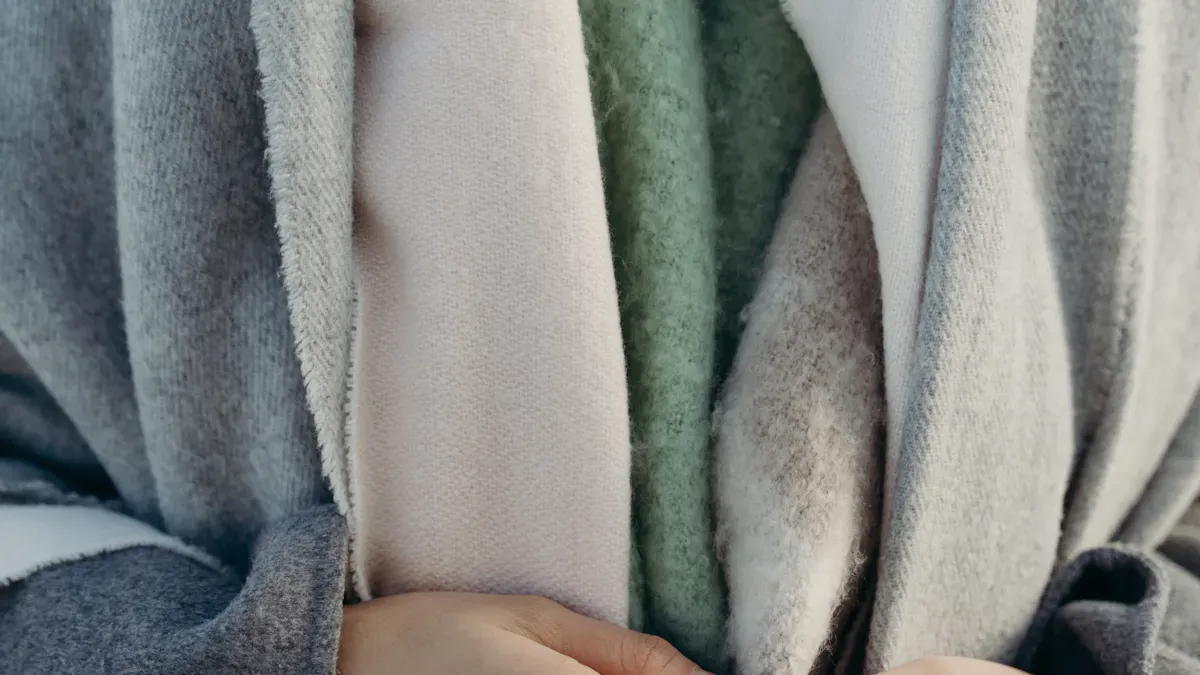
Image Source: pexels
Quick Comparison Overview
When you look at cashmere and pashmina, you see some big differences. These differences can help you pick which one is best for you. Both are fancy fabrics, but they come from different goats. Each one has its own special features. Cashmere comes from goats that live in Mongolia, China, and Central Asia. Pashmina comes from a rare goat called the Changthangi goat. This goat lives in the Himalayan mountains. Where the goats live changes how each fabric feels, how warm it is, and how much it costs.
Here is a simple table to show you the main differences:
Feature | Cashmere | Pashmina |
Fiber Source | Undercoat of cashmere goats (Mongolia, China) | Undercoat of Changthangi goat (Himalayas) |
Fiber Thickness | 14–19 microns | 12–16 microns |
Warmth | Very warm, plush feel | Warmer for its weight, ultra-soft and airy |
Production Method | Often machine-spun, mass-produced | Traditionally hand-spun and handwoven |
Price Range | $50–$250 (scarves, sweaters, blankets) | $150–$2,500+ (pure pashmina) |
Durability | Long-lasting with proper care | Can last for decades with proper care |
Common Uses | Sweaters, scarves, blankets, shawls | Shawls, stoles, mufflers, sweaters, blankets |
Cultural Value | Favored by royalty, symbol of luxury | Deep cultural heritage, artisan craftsmanship |
You can also check the fiber thickness:
Fiber Type | Micron Range |
Pashmina | 12–16 microns |
Cashmere | 14–19 microns |
Pashmina feels lighter and warmer because its fibers are thinner. These thin fibers trap more air. Cashmere gives you a soft and cozy feeling. It is plush and keeps you warm. Both fabrics are seen as fancy, but pashmina is known for being light and delicate.
Many people mix up cashmere and pashmina. Pashmina is actually a finer and rarer kind of cashmere. This mix-up can make people confused about how good each one is and how much they should cost, especially if you are buying for the first time.
Which Is Better for Your Needs
Picking between cashmere and pashmina depends on what you want most. Here are some main differences to help you choose:
If you want something soft, warm, and easy to find, cashmere is a good pick. You can find cashmere sweaters, scarves, and blankets in many colors and styles. Cashmere is famous for being soft and looking nice.
If you want something rare, super soft, and full of tradition, pashmina might be better for you. Pashmina shawls and stoles are made by hand by skilled workers. They are warmer for their weight and feel light and special.
Pashmina costs more because the goat is rare and making it takes a long time. Real pashmina shawls can take up to 720 hours to make.
Cashmere is easier to find and comes in many prices. You can get cashmere scarves for $50 to $80, sweaters for $80 to $150, and fancy items up to $250. Pure pashmina starts at $150 and can cost much more.
Here are some things to think about when picking between these two fancy fabrics:
Material: Choose pure cashmere or pashmina if you want the softest feel.
Size: Pick a big shawl or blanket for more warmth, or a small scarf for style.
Weight: Heavier cashmere is good for cold weather. Lighter pashmina is nice for layering.
Color and Pattern: Both have lots of choices, from plain colors to fancy patterns.
Weave: Plain weaves feel light. Twill or herringbone weaves add texture.
Tip: If you want to buy good cashmere, WFS Cashmere sells high-quality products. Their cashmere is very soft, strong, and made in a way that is good for the planet.
Both cashmere and pashmina have been loved for a long time. Kings, queens, and fashion fans have liked them for hundreds of years. Pashmina can last for many years if you take care of it. Cashmere also lasts a long time if you treat it well.
When you think about cashmere and pashmina, remember the main differences in fiber, warmth, price, and tradition. What you pick depends on your budget, your style, and how you want to use these fancy fabrics.
What Is Cashmere?
Image Source: pexels
Origin and Fiber Source
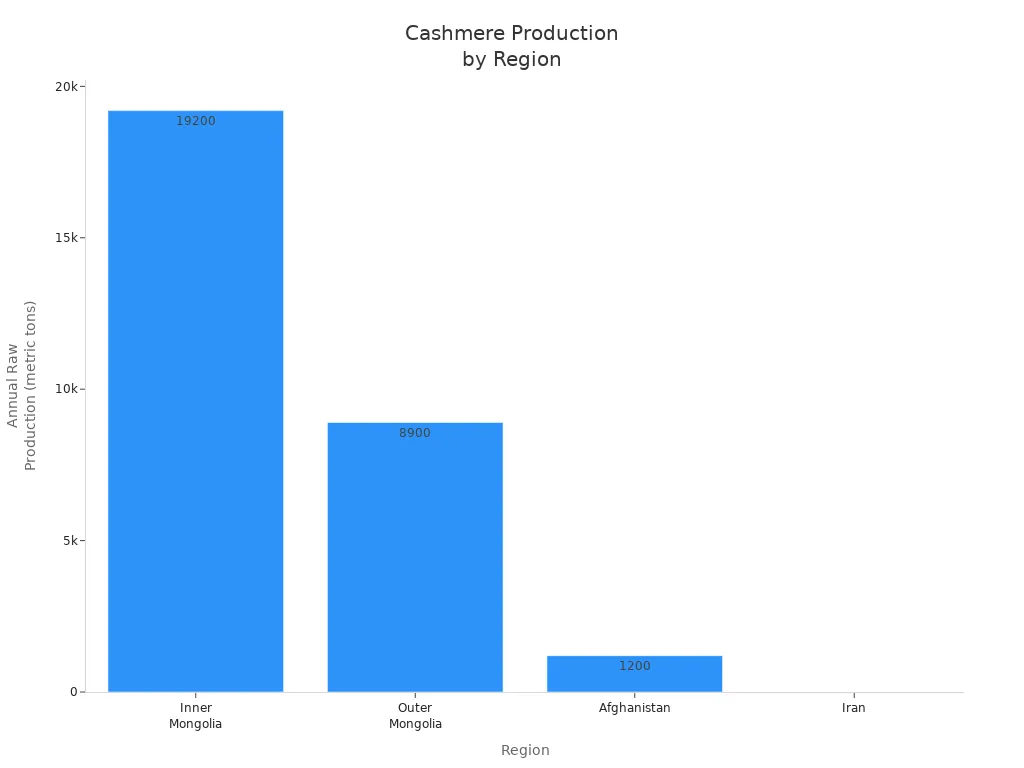
You may wonder where cashmere comes from. This fiber is from goats that live in cold places. Most cashmere comes from the kashmir region, Inner Mongolia, Outer Mongolia, Afghanistan, and Iran. These goats grow a soft undercoat to stay warm in winter. People collect this undercoat to make cashmere wool.
Here is a table that shows where most cashmere comes from and what makes each place special:
Region | Annual Raw Production (est.) | Key Quality Characteristics |
Inner Mongolia (China) | 19,200 metric tons | 15.5-17.5 microns, high volume |
Outer Mongolia | 8,900 metric tons | 14-15.5 microns, long staple, soft |
Afghanistan | ~1,200 metric tons | Durable, warm |
Iran | Lesser amounts | Soft, used in traditional textiles |
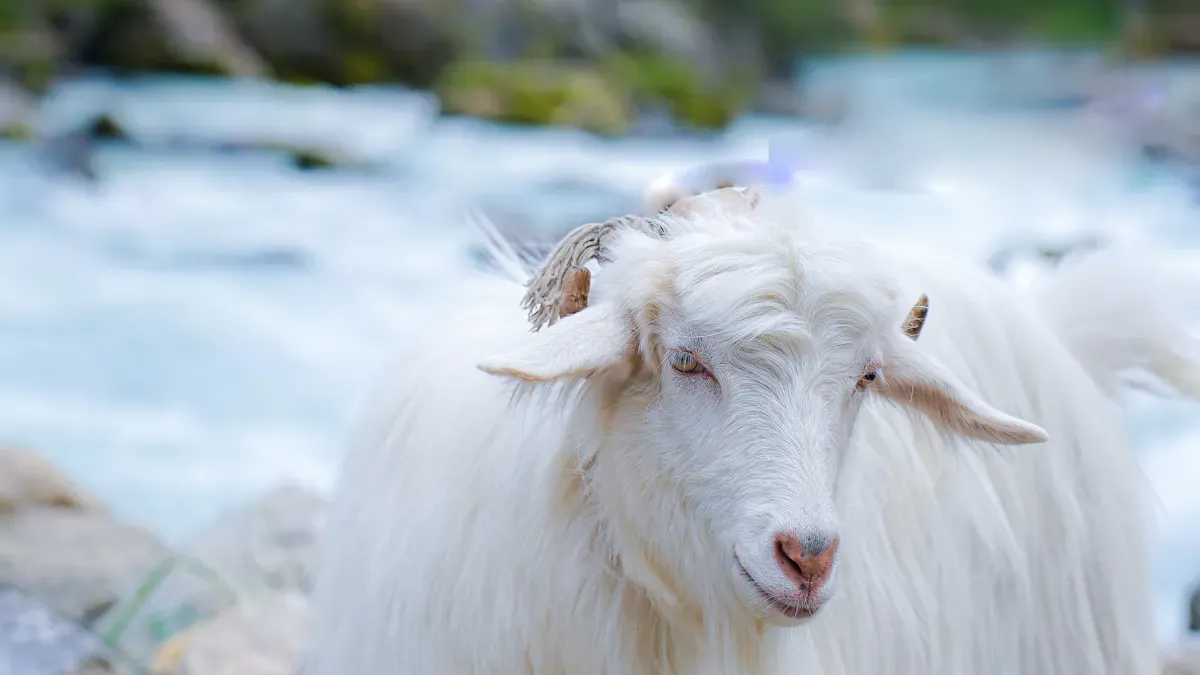
The Changthangi goat is also called the kashmir pashmina goat. It lives in the himalayan mountains. This goat gives some of the finest cashmere. The fibers can be as thin as 12 to 13 microns and as long as 60mm.
Cashmere Quality and Uses
You want good quality when you pick cashmere. The best cashmere has thin and long fibers. These fibers feel soft and last a long time. People use strict rules to check cashmere quality. Here is what experts look for:
Metric | Description |
Fiber Diameter (Microns) | Average fiber diameter must not exceed 19 microns for legal labeling as cashmere. Softer varieties often range between 14 and 15.5 microns. |
Fiber Length | High-quality cashmere typically uses fibers at least 34mm long, with desirable fibers reaching up to 40mm. Longer fibers enhance durability and reduce pilling. |
Uniformity | A low coefficient of variation (not exceeding 24%) ensures consistent fiber diameter, contributing to a better feel. |
Coarse Fiber Content | No more than 3% of fibers exceeding 30 microns in diameter is allowed to maintain softness and comfort. |
Cashmere wool is used in many things. Sweaters, scarves, shawls, and blankets are made from this soft fiber. Good cashmere feels smooth and keeps you warm, even in cold weather. You can wear it to look nice or to stay cozy.
Tip: Always check the label for fiber diameter and length. This helps you find real high quality kashmir products.
WFS Cashmere Manufacturing Standards
When you buy from WFS Cashmere, you get items made with care. WFS Cashmere uses 100% pure cashmere wool. The company follows strict rules to make sure every item is high quality. Here is how WFS Cashmere is different:
Specification | Details |
Material | 100% Pure Cashmere (Anti-shrink, Hypoallergenic, Ultra-soft) |
Hardware | Premium Natural Shell Buttons (OEKO-TEX certified) |
Sustainable Production | OEKO-TEX Standard 100 and WRAP certification ensure ethical manufacturing and chemical safety. |
Reinforced Buttonholes | Advanced machinery ensures durability and prevents stretching or sagging over time. |
You can trust WFS Cashmere to give you high quality kashmir knitwear. The company uses safe and eco-friendly ways to make their products. You get soft, warm, and strong items made from the best himalayan fibers.
What Is Pashmina?
Origin and Fiber Source
You might wonder where pashmina comes from. The story starts in Ladakh, a cold place high in the Himalayas. The Changthangi goat grows a thick undercoat to stay warm. This undercoat gives the fine fibers for pashmina. Nomadic people called the Changpa collect these fibers by hand in spring. They take care of the goats and land. This keeps the process natural and rare. The fiber is beautiful and connects to tradition and nature.
Pashmina is not just regular wool. It is a finer kind of cashmere. You only find it in parts of Ladakh and Tibet. The goats shed their soft undercoat once each year. People gather the fibers without hurting the goats. This careful way keeps pashmina rare and valuable.
Pashmina Texture and Uses
When you touch pashmina, it feels very special. The fibers are only 12 to 15 microns thick. This makes pashmina one of the softest and lightest wools. You can feel how smooth and airy it is. It almost feels like touching a cloud.
Pashmina is known for its light and airy feel. Its fibers are very thin and smooth. The surface feels soft like air on your skin. A real pashmina shawl drapes easily and almost floats. It still keeps you warm.
You will see that pashmina stands out for warmth and softness. It feels light but keeps you cozy. Artisans spin and weave pashmina by hand. This makes each piece unique.
Here is a simple table to show how pashmina and cashmere are different:
Feature | Pashmina | Cashmere |
Softness | Very soft and silky texture | Soft but a bit thicker |
Exclusivity | Rare, luxurious, heirloom | Premium but more common |
You can use pashmina in many ways. People love pashmina shawls, stoles, and scarves. Some use it for mufflers or sweaters. Each item feels fancy and lasts for years if you care for it.
If you want something rare, soft, and full of history, pashmina is a great choice.
Difference Between Pashmina and Cashmere
Fiber Thickness and Texture
You can see the main difference between pashmina and cashmere when you look at fiber thickness and texture. Pashmina fibers measure between 12 and 16 microns. Cashmere fibers are a bit thicker, ranging from 14 to 19 microns. This small change makes a big impact on how each fabric feels.
Type | Micron Diameter (approx.) |
Pashmina | 12 – 16 microns |
Cashmere | 14 – 19 microns |
Pashmina feels lighter and has a delicate texture. You may notice that it almost looks transparent. Cashmere has a plush texture that feels soft and strong. Both offer softness, but pashmina stands out for its airy texture and exceptional softness.
Warmth and Softness
You want warmth and softness in your winter wear. Cashmere is famous for its unique softness and exceptional warmth. It keeps you cozy in cold weather. Pashmina also gives you warmth, but it feels lighter on your skin. Many people love the softness of both, but pashmina’s texture feels almost like air.
Cashmere gives you a luxurious feel and holds warmth well.
Pashmina feels ultra-soft and light, with a gentle texture.
Durability and Longevity
You may wonder how long these fabrics last. Cashmere and pashmina both have strong fibers. With proper care, you can enjoy them for many years. A genuine pashmina shawl can last ten to twenty-five years or more. Cashmere pashmina products can last a lifetime if you treat them well.
Price and Value
Price is a big factor when you choose between these two. Pashmina often costs more because it is rare and takes more time to make. Cashmere is more common, so you can find it at different price points.
Retailer/Brand | Price Range (USD) |
Pashmina.com | 300 - 1000 |
Luxury Pashmina | 159.99 - 199.99 |
Pashmina Golden | 25 - 300 |
Luxury brands set a high price for authentic pashmina. Some brands offer lower prices, but you should check the authenticity. Cashmere prices range widely, so you can find something for your budget.
Authenticity Tips
You want to buy real products. Here are some ways to check authenticity:
Try the burn test. Real pashmina smells like burning hair and leaves fine ash.
Feel the texture. Authentic pashmina has exceptional softness and warmth.
Look at the weave. Handwoven pashmina shows an irregular pattern.
Check for slight pilling over time.
See if the shawl passes through a ring. Real pashmina is that fine.
Be careful with price. Authentic pashmina usually costs more than $200.
Read the label. It should say 100% cashmere or pashmina.
Look at the fringes. Hand-twisted fringes show authenticity.
Tip: Always check for labels and certifications to make sure you get authentic pashmina or cashmere.
You now know the main difference between pashmina and cashmere. You can use this knowledge to choose the right texture, softness, and price for your needs.
Pashmina vs Cashmere: Which to Choose?
Best Uses for Each
You might wonder when to pick pashmina or cashmere. Each one is good for different things. Pashmina is great for light wraps and fancy accessories. You can wear a pashmina shawl at a party or use it as a soft scarf. Cashmere is good for everyday clothes. You can wear cashmere sweaters, hats, or coats in many seasons. Cashmere keeps you warm and feels nice on your skin. Pashmina is more delicate and is best for special gifts or family keepsakes. Cashmere is strong and works well for clothes you wear a lot.
Factors to Consider (Budget, Style, Climate)
You should think about a few things before you choose. Here are some tips to help you compare pashmina and cashmere:
Pashmina costs more because it is rare and made by hand.
Cashmere is a better deal over time because it lasts longer.
Pashmina is lighter and good for layering or cool nights.
Cashmere is warm for cold days and works all year.
Pashmina is a nice gift if you want to show tradition and luxury.
Cashmere is a smart gift if you want style and something useful.
Think about your weather too. If you live where it is cold, cashmere sweaters and blankets will keep you warm. If you want something light for spring or fall, pashmina wraps add warmth but are not heavy.
WFS Cashmere Recommendations
You may want something that fits what you need. WFS Cashmere has choices for every style and budget. Here is a top pick:
Product Name | Description | Target Audience | Customization Options |
Premium Solid Ribbed Cashmere Beanie | A beanie made from soft cashmere, great for people new to luxury. | Good for everyone. | You can pick the materials, styles, and even the brand. |
You can give this beanie as a gift to someone who likes nice clothes. WFS Cashmere also makes custom items for brands that want to sell luxury pieces. You get quality, comfort, and style in every item.
Care and Maintenance for Cashmere and Pashmina
Cleaning and Storage Tips
You want your cashmere and pashmina to stay soft and beautiful. Cleaning these fabrics the right way helps them last longer. Hand washing works best for cashmere. Use cold water and a gentle soap. Move the garment slowly in the water. Do not rub or twist. Rinse with clean water. Lay the item flat on a towel and press out extra water. Let it dry flat. This keeps the shape and softness.
Storing your garments the right way protects them from damage. Always make sure your cashmere is clean and dry before you put it away. Pests like moths can ruin wool if it is dirty or damp. Fold your cashmere and pashmina instead of hanging them. Hanging can stretch the fibers and change the shape. Use breathable fabric bags or wrap your garments in acid-free tissue paper. This keeps pests away and lets air flow. Store your items in a cool, dry place. Keep them out of direct sunlight. Sunlight can make the fibers brittle and fade the color.
Here are some easy tips for cleaning and storing:
Hand wash with cold water and gentle soap.
Lay flat to dry, never hang.
Fold garments for storage.
Use breathable bags or acid-free tissue paper.
Store in a cool, dry spot away from sunlight.
Tip: Clean your cashmere and pashmina before storing for the season. This stops pests and keeps your garments fresh.
Preserving Quality
You want your cashmere and pashmina to look and feel good for years. Handle them gently. Avoid wearing them every day to reduce wear. Rotate your garments so each one gets a break. Keep sharp jewelry and rough surfaces away from your wool. This prevents snags and pilling.
If you see small pills, use a cashmere comb or a soft brush. Brush lightly to remove them. Do not pull or cut pills. This can damage the fibers. When you travel, pack your cashmere and pashmina in soft bags. This protects them from friction and keeps them safe.
Action | Benefit |
Gentle handling | Keeps fibers strong |
Careful cleaning | Maintains softness |
Proper storage | Prevents pests and stretching |
Light brushing | Removes pills safely |
Note: Taking care of your cashmere and pashmina helps them stay soft, warm, and beautiful. You can enjoy these luxury fabrics for many years with simple steps.
When you look at pashmina and cashmere, you notice big differences. Check this table to see the main points:
Feature | Cashmere | Pashmina |
Softness | Very soft | Much softer |
Warmth | Warm | Warmer |
Durability | More durable | Less durable |
Price | Less expensive | More expensive |
Pick cashmere if you want something warm and strong. It is also a better deal for your money. Pick pashmina if you want something rare and super soft. WFS Cashmere sells products you can trust. Use this guide to help you choose what matches your style and needs.
FAQ
What is the main difference between cashmere and pashmina?
Cashmere comes from many types of goats. Pashmina comes only from the Changthangi goat in the Himalayas. Pashmina fibers are finer and softer. Cashmere is more common and easier to find.
How can you tell if a pashmina is real?
Check the label for “100% pashmina.” Real pashmina feels very soft and light. Try the ring test: a real pashmina shawl passes through a ring. Look for hand-twisted fringes.
Can you wear cashmere and pashmina all year?
Yes, you can. Cashmere keeps you warm in winter. Lighter pashmina shawls work well in spring and fall. Both fabrics breathe well, so you stay comfortable in many seasons.
How should you wash cashmere or pashmina?
Hand wash with cold water and mild soap. Do not wring or twist. Lay flat to dry. Avoid hanging. This keeps the fibers soft and strong.
Why does pilling happen on cashmere and pashmina?
Pilling happens when fibers rub together. It is normal for natural fibers. Use a cashmere comb or soft brush to remove pills gently. This keeps your garment looking new.

 日本語
日本語 Français
 Русский
 Deutsch
 italiano
 English
 العربية
 Español
 Português
 한국어
한국어 Nederlands
 Tiếng Việt
 ไทย
ไทย Polski
 Türkçe
 አማርኛ
አማርኛ ພາສາລາວ
 ភាសាខ្មែរ
 Bahasa Melayu
 ဗမာစာ
ဗမာစာ தமிழ்
தமிழ் Filipino
 Bahasa Indonesia
 magyar
 Română
 Čeština
 Монгол
 қазақ
қазақ Српски
 हिन्दी
 فارسی
فارسی Kiswahili
 Slovenčina
 Slovenščina
 Norsk
Norsk Svenska
 українська
 Ελληνικά
 Suomi
Suomi Հայերեն
 עברית
עברית Latine
 Dansk
Dansk اردو
اردو Shqip
Shqip বাংলা
বাংলা Hrvatski
 Afrikaans
 Gaeilge
 Eesti keel
 Māori
Māori