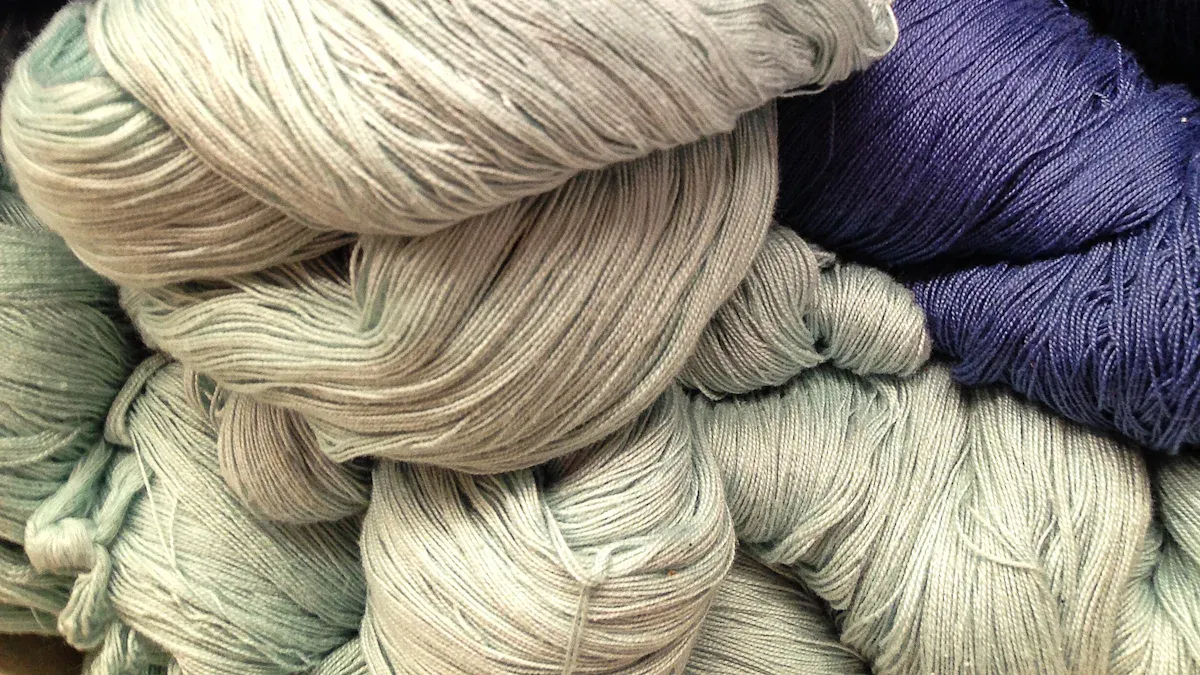
The main difference between 2-Ply vs 4-Ply Cashmere lies in how many threads twist together to make the yarn. This choice changes the way cashmere feels against your skin. You will notice that ply affects warmth, softness, and durability. If you want a lighter, softer feel, you might prefer 2-ply cashmere. For more warmth and strength, 4-ply cashmere stands out. Think about your daily routine and what you want from your cashmere when you decide.
Key Takeaways
2-ply cashmere feels light and soft. It is good for layering clothes. It works well in mild weather.
4-ply cashmere gives more warmth and lasts longer. It is best for cold places and winter clothes.
Think about your daily life and weather before picking cashmere ply. This helps you stay comfortable and choose what fits you.
Look at the ply on cashmere tags. This helps you know how warm, soft, and strong it is.
WFS Cashmere makes sure their products are high quality and eco-friendly. They have choices that match your style and care for the planet.
Ply in Cashmere Explained
What Is Ply?
When you look at cashmere, you might wonder what makes one sweater feel different from another. Ply is a key part of the answer. In cashmere manufacturing, ply means the number of strands twisted together to make a single yarn. For example, if you see a 2-ply cashmere sweater, it uses two strands twisted into one yarn. A 4-ply cashmere piece uses four strands. This simple detail changes the way the fabric feels and performs.
Ply is easy to measure. Yarn makers count how many individual cashmere threads they twist together. A single-ply yarn uses one strand. A 2-ply yarn uses two. A 4-ply yarn uses four. This choice affects the thickness and strength of the yarn. You can see how this matters when you compare different cashmere garments.
Tip: When you shop for cashmere, check the ply on the label. This small detail can help you choose the right sweater for your needs.
How Ply Impacts Cashmere
Ply changes more than just the look of your cashmere. It affects how the fabric feels, how warm it keeps you, and how long it lasts. Here is how ply makes a difference:
Ply means the number of cashmere strands twisted together to form a yarn.
A 2-ply yarn uses two strands. This makes it stronger and more durable than single-ply yarn.
Higher ply, like 4-ply, gives you more warmth and a denser feel. It also adds to the garment’s strength.
The grade of cashmere is important too. Ply alone does not decide the quality.
When you do a cashmere ply comparison, you see that 2-ply cashmere feels lighter and softer. It works well for layering or mild weather. A 4-ply cashmere piece feels thicker and warmer. It is a good choice for cold days or when you want extra comfort. The right cashmere ply comparison helps you pick the best option for your style and climate.
2-Ply vs 4-Ply Cashmere

Image Source: unsplash
Feel and Texture
When you compare 2-ply vs 4-ply cashmere, you notice a clear difference in how each feels against your skin. The feel of 2-ply cashmere stands out for its balanced weight and soft touch. You get a sweater that feels light but still strong. Many people enjoy the feel of 2-ply cashmere because it drapes well and works for many seasons.
2-ply cashmere gives you a soft, smooth texture.
It feels substantial but never heavy.
The fabric moves easily and feels gentle on your skin.
On the other hand, 4-ply cashmere feels richer and more luxurious. You notice the extra weight and thickness right away. This type of cashmere offers a premium hand-feel and a sense of warmth as soon as you put it on.
4-ply cashmere feels dense and plush.
It gives you a structured fit and a cozy touch.
The texture feels more substantial, making it perfect for colder days.
Consumer reviews often mention that 2-ply cashmere works well for year-round wear. If you want something lighter, you may prefer the feel of 2-ply cashmere. If you want a sweater that feels extra warm and cozy, 4-ply cashmere is a great choice. When you look at two-ply and four-ply options, think about how you want your sweater to feel every day.
Warmth and Weight
The warmth and weight of your sweater depend on the ply. In the 2-ply vs 4-ply cashmere debate, you see that 2-ply cashmere is lighter and less bulky. This makes it a good choice for layering or for wearing in spring and fall. You can wear it indoors or outdoors without feeling too hot.
4-ply cashmere, however, is thicker and heavier. You feel the difference as soon as you put it on. This type of cashmere traps more heat and keeps you warm even on the coldest days. If you live in a cold climate or want a sweater for winter, 4-ply cashmere gives you the insulation you need.
Here is a simple table to help you compare:
Feature | 2-Ply Cashmere | 4-Ply Cashmere |
Thickness | Lighter and less substantial | Thicker and more substantial |
Warmth | Less warm, suitable for three seasons | Warmer, may be too warm for multi-season use |
Durability | Less durable, more prone to pilling | More durable, resistant to pilling |
Drape | More fluid drape | More structured drape |
You can see that two-ply and four-ply sweaters serve different needs. If you want a sweater for all seasons, 2-ply cashmere is a smart pick. If you want maximum warmth, 4-ply cashmere is the way to go.
Durability and Longevity
Durability is another key factor in the 2-ply vs 4-ply cashmere comparison. The way each sweater is made affects how long it will last. 2-ply cashmere is strong and holds up well with regular use, but 4-ply cashmere takes durability to the next level. The extra strands in 4-ply cashmere spread out the stress, so each fiber carries less weight. This means your sweater can last much longer.
Here is a table that shows the difference:
Ply Count | Stress Per Element | Expected Lifespan | Best For |
2 Ply | 100% stress concentration | 2 - 3 years | Budget Considerations |
4 Ply | 25% stress per element | 15 - 20 years | Optimal investment |
When you choose a sweater from WFS Cashmere, you get more than just a soft feel. WFS Cashmere uses premium fibers with a diameter of 14–16.5 microns and a length of 34mm or more. The company checks every step, from yarn to finished sweater, to make sure you get a product that lasts. WFS Cashmere tests for pilling resistance, shrinkage, and seam strength. You can trust that your sweater will keep its shape and softness over time.
WFS Cashmere also cares about the planet. The company holds certifications like OEKO-TEX Standard 100, BSCI, SEDEX, WRAP, GOTS, and ISO 9001. These show a strong commitment to quality and sustainability. When you pick two-ply and four-ply cashmere from WFS Cashmere, you know you are getting a sweater made with care for both you and the environment.
Choosing Your Cashmere Ply
Lifestyle and Climate
Your daily routine and local weather play a big role in picking the right cashmere ply. If you live in a place with cold winters, you may want a thicker, warmer option. Four-ply cashmere keeps you cozy during outdoor activities or freezing days. Two-ply cashmere works well for mild climates or indoor use. It feels light and is easy to layer under jackets or coats.
Here is a table to help you match ply with temperature:
Temperature Range | Recommended Cashmere Type | Ideal Garments | Best Uses |
Below 32°F (0°C) | Heavy 4-ply+ | Thick turtlenecks, chunky sweaters | Outdoor winter activities |
32-50°F (0-10°C) | Medium-heavy, 3-4 ply | Full sweaters, heavier cardigans | Daily winter wear, layering |
50-68°F (10-20°C) | Medium, 2-ply | Light sweaters, wraps, cardigans | Office, spring, or fall weather |
You should also think about how you use your cashmere. Two-ply is great for travel and casual outings because it is lightweight and packs easily. Four-ply is perfect for formal events or when you want a sweater that feels extra warm and structured.
Tip: If you like to layer your clothes, two-ply cashmere gives you more options. If you want a single, warm piece, four-ply is the better choice.
Personal Style Preferences
Your style matters when choosing cashmere. Some people like a relaxed, casual look. Others want something more polished. Two-ply cashmere fits well with casual or athleisure outfits. It drapes nicely and feels soft. Four-ply cashmere gives a more structured look, making it ideal for smart casual or preppy styles.
WFS Cashmere offers a wide range of products to match your needs. You can choose from 100% premium cashmere or blends for different seasons. The company lets you adjust the knitting gauge and ply thickness to fit your style. Whether you want a classic sweater, a trendy skirt, or a cozy scarf, WFS Cashmere can help.
WFS Cashmere also supports brands and retailers with OEM and ODM solutions. You can pick from ready-to-ship collections or create custom designs. The team guides you in selecting the right ply, weight, and style for your market. With expert advice and many options, you get cashmere knitwear that matches your lifestyle and taste.
You can spot the main differences between 2-ply and 4-ply cashmere in this table:
Feature | 2-Ply Cashmere | 4-Ply Cashmere |
Texture | Light and soft | Dense and warm |
Best Use | Year-round layering | Cold weather comfort |
Ply affects how cashmere feels, how warm it is, and how long it lasts. When picking cashmere, look at yarn count, ply, and certifications. If you want cashmere that is good quality and eco-friendly, WFS Cashmere has strong choices with organic materials and ethical ways.
Pick the cashmere that fits your needs and enjoy comfort that lasts.
FAQ
What does ply mean in cashmere sweaters?
Ply shows how many yarn strands twist together to make one thread. Two-ply uses two strands. Four-ply uses four. This number changes how your sweater feels and how warm it keeps you.
Is 4-ply cashmere always better than 2-ply?
You do not always need 4-ply. Choose 2-ply for light layers or mild weather. Pick 4-ply for extra warmth and a thicker feel. Your choice depends on your needs.
How do I care for my cashmere sweater?
Wash your sweater by hand in cool water. Use a gentle soap. Lay it flat to dry. Store it folded, not hung, to keep its shape.
Can I wear cashmere all year?
You can wear cashmere in every season. Two-ply works well for spring and fall. Four-ply keeps you warm in winter. Choose the right weight for your climate.
Does ply affect how long my sweater lasts?
Yes. Higher ply, like four-ply, often lasts longer. It resists pilling and stretching. Two-ply is strong but may show wear sooner with heavy use.

 日本語
日本語 Français
 Русский
 Deutsch
 italiano
 English
 العربية
 Español
 Português
 한국어
한국어 Nederlands
 Tiếng Việt
 ไทย
ไทย Polski
 Türkçe
 አማርኛ
አማርኛ ພາສາລາວ
 ភាសាខ្មែរ
 Bahasa Melayu
 ဗမာစာ
ဗမာစာ தமிழ்
தமிழ் Filipino
 Bahasa Indonesia
 magyar
 Română
 Čeština
 Монгол
 қазақ
қазақ Српски
 हिन्दी
 فارسی
فارسی Kiswahili
 Slovenčina
 Slovenščina
 Norsk
Norsk Svenska
 українська
 Ελληνικά
 Suomi
Suomi Հայերեն
 עברית
עברית Latine
 Dansk
Dansk اردو
اردو Shqip
Shqip বাংলা
বাংলা Hrvatski
 Afrikaans
 Gaeilge
 Eesti keel
 Māori
Māori